
Small businesses often struggle to maximize productivity with limited resources. As a small business owner, you face unique challenges in managing daily routines, personalizing your workspace, and maintaining work-life balance while striving for efficiency. Effective IT solutions can transform your operations and significantly boost efficiency. This article offers 20 IT tips to boost productivity in your small business, covering essential strategies like cloud computing, automation, cybersecurity, and more. Understanding why small businesses fail—such as poor planning and time management—can help you avoid common pitfalls and improve your business’s survival rate. Dive in to discover practical tips that will help streamline your processes and elevate your business operations.
Key Takeaways
- Leverage cloud computing and automation to enhance operational efficiency and reduce costs.
- Invest in cybersecurity and employee training to protect sensitive data and empower staff for improved productivity.
- Utilize project management and collaboration tools to streamline communication and project workflows, driving team accountability and efficiency. Incorporate to do lists within these tools to organize and prioritize tasks, helping improve focus and productivity.
Implement Cloud Computing

Cloud computing is a game-changer for small businesses, allowing them to access data and applications remotely via the internet. Small enterprises often face challenges with productivity and management, and cloud computing can help address these issues. Its benefits include:
- Enhancing operational efficiency through flexibility
- Significantly reducing costs by eliminating the need for on-premises infrastructure
- Allowing businesses to scale operations easily to meet growing demands and prepare for future growth.
Moreover, proactive planning for growth is crucial in allocating resources effectively. Cloud computing enables businesses to create adaptable systems that scale seamlessly and maintain operational stability. Regular performance reviews can help identify areas that require adjustments, enabling ongoing improvement in business processes.
Choose the Right Cloud Service Provider
Selecting the right cloud service provider is essential for ensuring data security and scalability tailored to your business’s needs. It’s crucial to evaluate the provider’s financial stability and track record to make an informed decision.
Additionally, assessing the security measures and compliance certifications of potential providers is vital to ensure comprehensive protection across all cloud services.
Backup Data Regularly
Regular cloud backups are crucial for protecting against data loss and ensuring swift recovery from disasters. Establishing a routine for backups helps maintain data integrity and business continuity during unexpected events, safeguarding against data loss due to accidental deletion, hardware failures, or cyberattacks, allowing teams to delegate tasks effectively .
Staying organized with regular backups enhances business resilience and operational stability in crisis situations.
Automate Repetitive Tasks

Automation can significantly enhance productivity by allowing employees to focus on strategic tasks rather than mundane ones. Automating repetitive tasks improves efficiency, reduces manual tasks, and minimizes errors, enhancing overall accuracy in business processes. Identifying tasks suitable for automation, such as data entry, scheduling social media posts, and sending follow-up emails, is key to making automation effective and boosting productivity, thereby allowing employees to spend time on strategic activities .
Effective use of automation tools can save time and structure the day more effectively for small business owners. Financial tasks such as recurring bill payments and invoicing are ideal for automation, as are customer service functions like chatbots and AI. To further improve focus and productivity, consider scheduling specific times to handle phone calls along with other similar tasks as part of task batching. Regular assessment of performance metrics is crucial for identifying improvement areas in automated processes.
Use Workflow Automation Software
Workflow automation tools can integrate different applications, enabling seamless task management and reducing the need for manual input. By automating repetitive tasks, businesses can focus on more strategic activities, ultimately improving efficiency and productivity across the organization.
Automate Email Marketing Campaigns
Automated email marketing facilitates quick audience segmentation and performance tracking, enhancing campaign effectiveness. Automate scheduling tools help streamline marketing efforts and enhance overall efficiency.
Enhance Cybersecurity Measures
Implementing a robust cybersecurity strategy is essential for protecting customer information and maintaining business integrity in today’s digital landscape. Key aspects include:
- Strong cybersecurity measures safeguard sensitive business information.
- These measures foster customer trust.
- Regularly reviewing security protocols ensures they remain effective against evolving cyber threats.
- Protecting sensitive data helps maintain customer trust.
Regular audits help businesses identify vulnerabilities in their IT systems, enhancing overall cybersecurity and ensuring compliance with industry regulations. Maintaining data accuracy is crucial, as poor data quality can lead to significant financial losses and damage customer trust.
Use Multi-Factor Authentication (MFA)
Multi-factor authentication (MFA) adds an extra layer of security by requiring additional verification methods beyond just passwords. MFA significantly improves security by requiring two or more verification methods, such as codes sent via SMS, email, or authentication apps, making unauthorized access much more difficult.
Implementing MFA significantly lowers the chances of unauthorized access, thus protecting sensitive business information.
Educate Employees on Cybersecurity Best Practices
Regular employee training on identifying phishing attempts and safe internet usage is crucial in minimizing vulnerabilities within an organization. Training employees to identify phishing attempts and understand safe internet behaviors greatly mitigates security threats.
Regular training on cybersecurity can empower employees to recognize and effectively respond to potential threats, minimizing risks and enhancing employee productivity.
Invest in Reliable Hardware

Investing in high-quality hardware enhances employee productivity by ensuring smoother workflows with minimal interruptions. Quality hardware minimizes system crashes and downtime, leading to better employee efficiency and reducing production interruptions by lowering the likelihood of breakdowns. High-quality hardware leads to increase productivity in the workplace by minimizing technical disruptions.
Consistent hardware upkeep is vital for extending the lifespan of equipment and ensuring consistent productivity over time. Regular checks and servicing can prevent costly repairs and downtime by ensuring devices operate at peak performance, ultimately enhancing business operations.
Upgrade to SSDs
Solid State Drives (SSDs) offer several advantages over traditional hard drives (HDDs):
- Significantly faster data retrieval speeds, enhancing overall system responsiveness.
- Reduced boot and load times for applications.
- Greater durability due to lack of moving parts.
- Less prone to mechanical failures, contributing to a more efficient work environment.
Ensure Regular Maintenance
Scheduled maintenance can extend the lifespan of equipment, ensuring consistent productivity over time. Consistent hardware upkeep can prevent costly repairs and downtime by ensuring devices operate at peak performance.
Regular checks and servicing of hardware not only extend its operational lifespan but also maintain consistent performance, helping employees stay organized and productive.
Leverage Project Management Tools
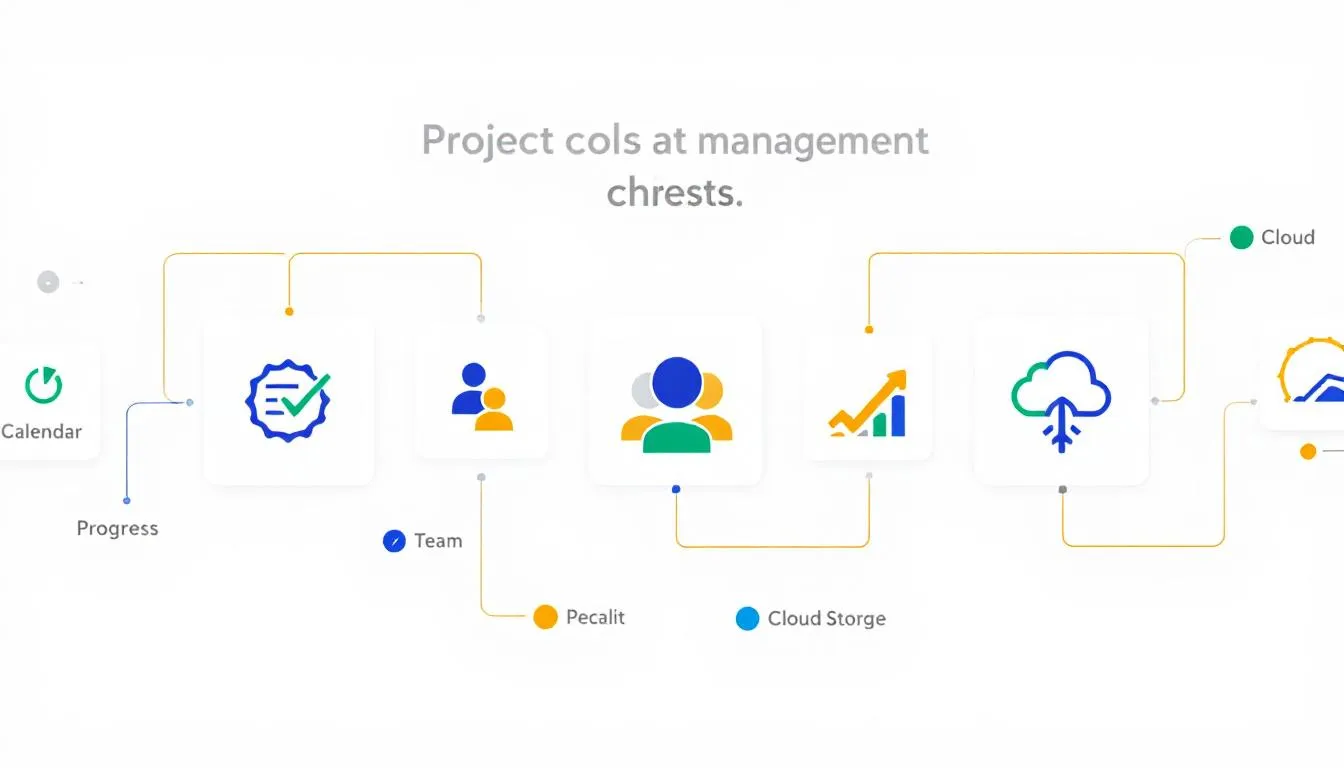
Utilizing project management tools can significantly enhance productivity by:
- Centralizing communication and preventing information from getting lost
- Assigning a dedicated point person for projects to improve accountability and streamline communication
- Allowing teams to focus on higher-value tasks
- Boosting overall productivity by ensuring that everyone knows their roles and responsibilities
Document sharing platforms enable real-time collaboration, reducing the time needed to complete projects by allowing multiple users to access and update files simultaneously. Centralized document sharing tools minimize the risk of lost information by allowing teams to access and edit the latest versions of files, ensuring seamless project workflows.
Use Tools Like Trello or Asana
Trello and Asana are essential project management tools that enhance overall project efficiency through effective task assignment and progress tracking. Trello is known for its visual approach, using a card-based system that simplifies task management, while Asana offers a more structured interface that supports complex project management with features like task dependencies.
These platforms enable real-time updates, allowing teams to adapt quickly to changes and improve responsiveness.
Monitor Progress with Gantt Charts
Gantt charts offer a clear visualization of project deadlines and milestones, facilitating better planning and resource allocation. These charts not only display task timelines but also highlight dependencies between tasks, aiding in better scheduling and resource management, especially in avoiding missed deadlines.
By providing a clear visual representation of task timelines and dependencies, Gantt charts enhance project management and improve productivity.
Optimize Your Network Infrastructure
Optimizing network infrastructure is crucial for improving productivity and efficiency in small businesses. Enhancing network performance involves:
- Improving speed
- Enhancing reliability
- Increasing capacity
- Strengthening security
These improvements support seamless connectivity, promote better resource allocation, and help identify workload imbalances among team members to improve efficiency.
By upgrading to high-speed internet and implementing Quality of Service (QoS) techniques, businesses can ensure that critical applications receive the necessary resources for optimal operation. This results in faster task completion, reduced disruptions, and overall improved productivity.
Upgrade to High-Speed Internet
Upgrading to high-speed internet can significantly reduce loading times, leading to faster task completion and improved employee increased efficiency. Enhanced internet speeds facilitate the quick exchange of data and seamless access to cloud services, boosting productivity across various business functions.
High-speed internet can make all the difference in maintaining smooth and efficient business operations.
Implement Quality of Service (QoS)
Quality of Service (QoS) techniques prioritize critical applications, ensuring they receive adequate bandwidth to function optimally during peak usage times. QoS manages bandwidth allocation to reduce disruptions, maintain service quality, and boost productivity.
Prioritizing key applications through QoS ensures that essential business functions operate smoothly, enhancing productivity.
Embrace Remote Work Solutions
Embracing remote work solutions can significantly improve productivity and employee satisfaction in small businesses. Flexible work arrangements allow employees to manage their work schedules more effectively, leading to healthier work-life balances and improved energy levels. Incorporating mindfulness practices, such as meditation or deep breathing, can also positively impact mental health and help manage the unique challenges of remote work. By enhancing flexibility and work-life balance, remote work solutions ultimately contribute to increased productivity and reduced overhead costs.
Remote work solutions also increase flexibility and overall employee satisfaction within small businesses. For example, a morning person can leverage their peak energy in the morning to complete demanding tasks, aligning work with their natural energy rhythms. Providing the right tools and resources ensures remote work remains as effective and productive as traditional office environments.
Use Video Conferencing Tools
Video conferencing tools are essential for maintaining communication and collaboration in remote work settings. High-speed internet is fundamental for effective video conferencing and real-time collaboration, enhancing team engagement.
Video conferencing enhances communication by allowing participants to interpret non-verbal cues, leading to improved understanding of discussions and building personal connections that are often absent in written or audio communication. This makes video conferencing tools a vital component for remote work productivity.
Provide Secure VPN Access
Providing secure VPN access allows employees to securely access company resources from various locations, enhancing remote work capabilities. Virtual Private Networks (VPNs) create a secure connection for remote users to access company resources, protecting sensitive data from cyber threats by encrypting the data transmitted between the employee and the company network.
This ensures that remote work is both productive and secure.
Adopt Customer Relationship Management (CRM) Systems
Adopting Customer Relationship Management (CRM) systems can significantly enhance customer interactions and improve service quality. CRM systems centralize customer data, making it easier for businesses to manage relationships and enhance sales efficiency. Implementing a CRM system can unify customer data, providing valuable insights to customers and partners, and improving overall customer experience.
By choosing the right CRM platform and integrating it with other business tools, businesses can streamline their communication channels and enhance teamwork. This ensures that customer interactions are managed effectively, leading to improved service quality and customer satisfaction.
Choose the Right CRM Platform
Selecting a suitable CRM platform is crucial for effective customer relationship management. Top CRM platforms include:
- Salesforce
- HubSpot
- Zoho These platforms are designed to cater to small businesses with affordable pricing and features tailored for effective customer relationship management.
Choosing a user-friendly CRM that aligns with your business model allows you to tailor customer management processes to your specific needs, enhancing overall service quality.
Integrate CRM with Other Tools
Integrating your CRM with other business tools can enhance the efficiency of your CRM strategy. Automate email marketing campaigns using platforms like Mailchimp or Constant Contact to streamline communication channels.
Unified communication platforms allow businesses to integrate social interactions with their CRM system, improving teamwork and customer interactions.
Utilize Time Management Techniques
Effective time management is crucial for boosting productivity in small businesses. Key strategies include:
- Prioritizing tasks using techniques like the Eisenhower Box to distinguish between urgent and most important tasks, enhancing focus on higher-priority activities.
- Implementing productivity tips such as scheduling demanding tasks during optimal hours to significantly boost productivity and reduce stress.
- Encouraging a healthy work-life balance to increase employee satisfaction, contributing to overall productivity.
Identifying challenges to productivity, such as procrastination and distractions, is essential for improving time management. Unnecessary actions, such as lengthy emails or lack of routine, can waste time and reduce efficiency. Frequent meetings or interruptions can cause employees to lose focus, making it harder to complete important tasks. Additionally, frequent distractions can lead to incomplete tasks, impacting overall productivity. Eliminating multitasking and adopting a single task approach maximizes focus and efficiency during work hours, ensuring that employees stay productive and focus on one task while meeting deadlines. Implementing a to do list and productivity hacks for certain tasks can further enhance these efforts.
Implement the Pomodoro Technique
The Pomodoro Technique is a time management method designed to enhance focus and productivity. This technique involves working for 25 minutes followed by a 5-minute break, which helps maintain focus and reduce feelings of burnout. Implementing the Pomodoro Technique can significantly improve concentration, making it easier to stay organized and productive throughout the day.
Use Time-Tracking Software
Tools like Toggl or Clockify can help track time spent on various tasks, providing insights into how resources are allocated and where adjustments can be made for better efficiency. Monitoring time spent on tasks helps identify areas for improvement in productivity and ensures that employees stay focused on priority activities, reducing wasted time.
Streamline Communication Channels
Effective communication channels are crucial for enhancing collaboration and reducing misunderstandings within a team. Utilizing project management software can enhance clarity about roles and responsibilities, which is essential for effective collaboration. Mobile productivity tools significantly enhance employee engagement and streamline workflows by offering real-time communication and access to resources.
By implementing effective communication strategies, teams can work more cohesively and efficiently, ultimately driving business success. Streamlining communication channels ensures that all team members are on the same page, leading to improved productivity and efficiency.
Use Unified Communication Platforms
Unified communication platforms like Slack or Microsoft Teams integrate messaging, file sharing, and video conferencing, creating a seamless communication experience. These platforms streamline team collaboration and reduce misunderstandings by providing a central place for all communication. High-speed internet connections minimize delays and improve the efficiency of communication tools, leading to increased workforce productivity.
Overall, the integration and efficiency of unified communication platforms significantly enhance productivity in small businesses.
Establish Clear Communication Protocols
Clear communication protocols help ensure that all team members understand their roles and responsibilities, leading to improved productivity. Defined communication protocols enhance clarity and reduce misunderstandings among team members.
Clear guidelines for communication help set expectations and improve accountability, ensuring everyone is aligned and working towards smart goals and achievable goals, ultimately enhancing mental clarity.
Improve Data Management Practices
Efficient data management is vital for business operations. Integrating CRM with various business applications enhances data flow and provides a comprehensive view of customer interactions, improving campaign effectiveness. Establishing clear file naming and cataloging conventions is crucial for efficient data retrieval, reducing the time spent on searching for information and minimizing human errors.
Standard Operating Procedures (SOPs) are essential for providing clear instructions that help streamline tasks and maintain consistency in performance. By implementing data analytics tools, businesses can gain insights that aid in making informed decisions and identifying areas for improvement.
Implement Data Analytics Tools
Implementing data analytics tools can transform raw data into meaningful insights that guide strategic decisions. Research suggests these tools help businesses identify trends and optimize workflow by providing actionable insights that can significantly impact strategic business decisions.
Choosing the right data analytics tools can significantly streamline data analysis and improve insights into business performance, enhancing overall productivity.
Ensure Data Integrity and Accuracy
Regular data verification and updates are necessary to maintain reliable analytics and reporting. Maintaining data integrity is crucial for ensuring your small business operates on accurate information, supporting effective business decision-making at a certain point.
Regularly verifying and updating your data is key to maintaining its accuracy and ensuring sound business operations.
Foster a Positive Work Culture

A positive work culture is essential for boosting productivity and employee satisfaction. Key elements include:
- Regularly recognizing and rewarding employee achievements to foster loyalty, dedication, and a positive work culture.
- Encouraging a healthy work-life balance to prevent burnout and enhance overall job satisfaction.
- Building a strong team culture to increase trust among team members, leading to better communication and improved productivity.
Offering online training programs can be an effective way to develop employee skills and keep them updated with industry practices, contributing to a positive work culture. By fostering a positive work environment that prioritizes well being , businesses can boost productivity and ensure high levels of employee satisfaction.
Recognize and Reward Achievements
Recognizing employee achievements boosts morale and encourages continued high performance. Publicly acknowledging employee achievements can significantly enhance morale and motivate staff.
Establishing a recognition system can uplift employee morale and motivation, fostering a culture of appreciation in the workplace.
Promote Work-Life Balance
Promoting work-life balance is crucial for preventing burnout and enhancing productivity. Encouraging a healthy work-life balance sustains mental well-being, enhances creativity, and improves job satisfaction.
Flexible work arrangements can promote healthier work-life balances, ensuring morning persons remain productive and satisfied.
Enable Mobile Productivity
Mobile productivity tools help ensure employees can work effectively from various locations, enhancing their flexibility and efficiency. By allowing employees to work from any location, mobile productivity solutions improve workflow and response times, boosting overall productivity levels. Providing access to essential business applications on mobile devices ensures that employees can perform tasks efficiently while on the go.
Using Mobile Device Management (MDM) solutions can secure and manage employee devices effectively, ensuring compliance with company policies and protecting sensitive company data.
Use Mobile Device Management (MDM) Solutions
Mobile Device Management (MDM) solutions enhance security and management of mobile devices used in businesses. MDM solutions help to secure mobile devices by enforcing compliance with company policies and managing applications remotely. Employing MDM solutions helps safeguard sensitive company information on mobile devices while also facilitating device management and compliance.
Provide Access to Business Apps
Allowing employees access to essential business applications on their mobile devices enhances their ability to work efficiently from any location. Access to essential business apps on mobile devices enables employees to complete tasks efficiently while traveling or working remotely.
Providing access to essential business applications allows employees to perform tasks effectively and stay connected regardless of their physical location.
Conduct Regular IT Audits
Regular IT audits help identify vulnerabilities that may affect system performance, ensuring IT systems run efficiently and meet business needs. Routine IT audits help in proactively identifying inefficiencies and potential risks, enhancing the overall performance of IT systems and ensuring compliance with industry regulations. Regular hardware checks can identify potential issues before they escalate, avoiding costly repairs and system downtime.
Regular audits of data management practices help maintain data integrity and ensure that the information is accurate and reliable. Maintaining data accuracy involves not only regular updates but also implementing strict data governance policies to safeguard the reliability of data used in critical business decisions.
Assess Hardware and Software Performance
Regular IT audits help identify areas of improvement in hardware and software performance, ensuring optimal functionality. Regular assessment of hardware and software can detect inefficiencies and prevent system slowdowns, uncovering bottlenecks that hinder productivity and lead to system failures.
Evaluating hardware and software performance can reveal performance issues such as slow processing speeds and inefficient resource usage, enhancing overall business operations.
Review Security Protocols
Enhancing cybersecurity measures protects sensitive business information and maintains trust with customers. Regularly reviewing and updating security protocols enables businesses to stay proactive against emerging threats.
Conducting regular IT audits identifies potential issues and areas for improvement in security protocols, ensuring that hardware and software performance remains secure.
Utilize Collaboration Tools
Utilizing collaboration tools can significantly enhance productivity, providing valuable productivity tips by improving teamwork and communication. Key benefits include:
- Unified communication platforms centralize messaging, voice, and video services, reducing miscommunication and enhancing teamwork.
- These platforms integrate various communication tools, enabling seamless interaction and reducing fragmentation across different platforms.
- By providing easy access to important documents, collaboration tools reduce the need for frequent ad-hoc conversations, streamlining processes and increasing efficiency.
CRM systems can significantly enhance team collaboration by allowing different departments to share customer information, leading to improved service quality. Real-time collaboration features in video conferencing tools streamline teamwork and decision-making processes, ensuring that all team members stay aligned and productive.
Use Document Sharing Platforms
Document sharing platforms enhance collaboration by allowing teams to work on the same files in real-time, minimizing version control issues. These platforms enable simultaneous access to files, ensuring that all team members can contribute and stay updated on project progress.
By integrating communication tools, document sharing platforms increase efficiency and improve overall team productivity.
Implement Collaborative Editing Tools
Collaborative editing tools enable multiple users to simultaneously work on documents, improving efficiency and fostering teamwork. These tools support simultaneous editing by multiple users, making it easier to gather input and feedback quickly, reducing version confusion and enhancing workflow.
Implementing collaborative editing tools ensures that teams can work together effectively, enhancing overall productivity.
Prioritize Employee Training
Continuous learning and development are essential for keeping employees equipped with the necessary skills and knowledge. Offering ongoing training significantly enhances employee efficiency as they become adept at utilizing new technologies and tools. Continual training contributes to higher job satisfaction among employees, as they feel more competent and confident in their roles. Prioritizing continuous employee training leads to a more skilled workforce, ultimately benefiting the organization’s productivity and performance.
Offering online training programs and regular workshops helps employees stay updated with industry trends and enhance their professional skills. This focus on employee development fosters a positive work culture and boosts overall productivity.
Offer Online Training Programs
Offering online training programs provides flexibility and can enhance employee skill sets. Online training allows employees to learn at their convenience while balancing their work responsibilities and maintaining their to do list .
E-learning provides flexibility, allowing employees to complete courses at their convenience and pace, enabling them to balance work and development effectively.
Conduct Regular Workshops
Regular workshops foster continuous learning and help employees stay updated with industry trends. These workshops enhance professional skills, contributing to higher productivity by equipping employees with the latest knowledge and techniques.
By conducting regular meetings and workshops, businesses can ensure that their employees remain informed and capable, enhancing overall work performance and maintaining a positive work culture.
Standardize Processes and Procedures
Implementing standardized processes can significantly minimize operational errors and enhance the overall quality of outcomes. Establishing standardized procedures helps to:
- Minimize mistakes and ensure a uniform approach across all tasks, enhancing operational efficiency.
- Eliminate redundancies, streamlining workflows.
- Improve overall business operations.
Developing SOPs and regularly updating them ensures processes remain effective and relevant. This continuous improvement approach helps adapt to changing business environments and incorporate best practices, maintaining high levels of quality and consistency.
Develop Standard Operating Procedures (SOPs)
Developing Standard Operating Procedures (SOPs) ensures consistency and quality in business operations. SOPs serve as clear guidelines that help maintain high levels of quality and uniformity across tasks, streamlining operations and enhancing task performance.
By providing detailed instructions, SOPs ensure that tasks are executed consistently, contributing to overall quality control.
Regularly Review and Update SOPs
Frequent reviews of SOPs help adapt to changing business environments and incorporate best practices. Periodic reviews and updates of SOPs are essential to improve operational efficiency and ensure they remain effective and relevant as business needs evolve.
Regular assessments of SOPs align them with new technologies and industry standards, preventing operational inefficiencies.
Optimize IT Support
Efficient IT support leads to faster resolution of technical issues and minimizes downtime, enhancing overall business operations. Implementing a help desk system streamlines IT support requests, ensuring prompt resolution of technical problems and improving user satisfaction. Providing self-service options, such as knowledge bases or FAQs, empowers employees to resolve minor issues independently, saving time and reducing reliance on IT staff.
Optimizing IT support helps maintain smooth workflows and enhance productivity. Combining a help desk system with self-service options ensures that technical issues are resolved quickly and efficiently, minimizing disruptions and improving overall service quality.
Implement a Help Desk System
Implementing a help desk system can significantly improve response times and enhance user satisfaction with IT support services. A help desk system centralizes IT support requests, facilitating quicker resolution of technical problems and improving user satisfaction.
By simplifying the management of IT support requests, a help desk system saves time, ensures faster issue resolution, and enhances overall IT support efficiency.
Provide Self-Service Options
Offering self-service options for IT support empowers employees to resolve minor issues independently, saving time for both staff and IT. Self-service tools, such as knowledge bases and FAQs, enable employees to troubleshoot minor issues on their own, reducing IT workload and enhancing operational efficiency.
By providing self-service options, businesses can improve service quality and ensure that employees stay productive.
Focus on Scalability
Focusing on scalability allows businesses to grow without proportional increases in costs, ensuring sustainable growth and long-term success. Scalable businesses usually have flexible systems that can manage growth efficiently, adapting to changing demands without compromising performance. Regular assessments can uncover underutilized resources, allowing for better allocation of IT budgets and enhancing overall productivity.
By choosing scalable software solutions and planning for future growth, businesses can ensure they are prepared to meet increasing demands. This proactive approach helps maintain high productivity and efficiency, supporting business growth and operational stability.
Choose Scalable Software Solutions
Cloud-based tools are particularly beneficial for small businesses as they offer scalability and flexibility. Scalable software solutions are designed to grow with your business, accommodating increasing demands without significant re-investment.
Choosing the right scalable software solutions optimizes processes and boosts productivity, effectively responding to changing needs.
Plan for Future Growth
Planning for scalable IT solutions ensures that businesses can meet future demands effectively. Focusing on scalability allows businesses to adapt and grow without compromising performance, ensuring long-term success.
Anticipating future IT needs leads to better investments that enhance increasing productivity and efficiency, supporting sustainable growth and business goals.
Monitor and Analyze Performance Metrics
Tracking performance metrics enables businesses to:
- Identify operational issues and make informed decisions.
- Choose relevant performance metrics to accurately assess business performance and predict future success.
- Use time-tracking software to gain insights into how time is allocated across different tasks, helping identify inefficiencies and improve overall productivity.
- Provide efficient IT support to reduce operational downtime, ensuring business processes run smoothly and enhancing overall productivity.
Consistent training boosts employee competence and satisfaction, leading to improved overall performance. Using KPIs and conducting regular performance reviews allows businesses to continuously assess and refine their strategies for ongoing improvement in productivity and efficiency.
Use Key Performance Indicators (KPIs)
Key performance indicators (KPIs) are measurable values used to evaluate the success of business activities. By tracking KPIs, businesses can gain insights into their performance, identify areas for improvement, and make informed decisions.
Using KPIs helps prioritize tasks, enhance employee productivity, and ensure that business goals are met.
Conduct Performance Reviews
Regular performance reviews help assess the effectiveness of IT strategies and make necessary adjustments for continuous improvement. These reviews facilitate continuous assessment and refinement of strategies, ensuring that businesses remain productive and efficient.
Conducting regular performance reviews enhances employee satisfaction and employee performance, contributing to overall business success.
Summary
In summary, adopting these 20 IT tips can significantly boost productivity in your small business. By implementing cloud computing, automating repetitive tasks, enhancing cybersecurity measures, and investing in reliable hardware, business owners can streamline operations and improve efficiency. Leveraging project management tools, optimizing network infrastructure, embracing remote work solutions, and adopting CRM systems further enhance productivity. Utilizing time management techniques, streamlining communication channels, improving data management practices, and fostering a positive work culture are essential for maintaining high productivity levels. Enabling mobile productivity, conducting regular IT audits, utilizing collaboration tools, prioritizing employee training, standardizing processes, optimizing IT support, focusing on scalability, and monitoring performance metrics ensure long-term success. Start implementing these strategies today to transform your business operations and achieve sustainable growth for long term success .
Frequently Asked Questions
Why is cloud computing important for small businesses?** **?
Cloud computing is essential for small businesses as it offers flexibility, cost savings, and scalability. By leveraging cloud services, you can access your data and applications from anywhere, enabling you to grow and adapt to market changes with ease.
How can automating repetitive tasks improve productivity?** **?
Automating repetitive tasks dramatically boosts productivity by freeing up time for strategic activities and reducing the potential for errors. Embrace automation to unlock your team’s full potential for more impactful work!
What are the benefits of using project management tools?** **?
Using project management tools keeps your team organized, enhances communication, and fosters accountability. Embrace these tools to improve efficiency and adapt quickly to changes for successful project completion!
Why should small businesses invest in cybersecurity measures?** **?
Investing in cybersecurity is crucial for small businesses as it protects sensitive data and builds customer trust. By prioritizing strong security measures, you safeguard your business’s future and comply with necessary regulations.
How does enabling mobile productivity benefit businesses?** **?
Enabling mobile productivity empowers small business owners by enhancing flexibility and efficiency, allowing employees to work effectively from anywhere. This means tasks can be accomplished on the go, driving overall productivity and success.
Need Tech Help Now?
Get expert remote support for $100 per issue, no contracts and no hidden fees.
Schedule Your Session: https://bookings.direct-support.com/#/book or visit Direct-Support.com to get started.