
Hidden fees in IT support, including various it issues, are something that customers need to watch out for, as they can quickly drain your budget if you don’t know what to look for. Having clear budget plans in place is essential to avoid overspending due to hidden fees that may arise unexpectedly. From vague service descriptions to unexpected charges, these costs can surprise even the most prepared businesses. It’s crucial to carefully review the fine print in IT support agreements to ensure you aren’t caught off guard by hidden fees. In this article, we’ll break down the common hidden fees in IT support, what customers need to watch out for, and provide tips on how to avoid them, helping you to manage your IT expenses more efficiently.
Key Takeaways
- Hidden costs in IT support can arise from vague service descriptions and bundled services, making careful contract evaluation crucial to avoid overspending.
- Regular audits and clear communication with your IT provider can uncover unexpected expenses and help maintain budget transparency.
- Opting for fixed-cost IT support plans can stabilize budgeting, eliminate surprise fees, and promote better financial management.
Introduction to IT Support Costs
IT support costs are a major consideration for businesses of all sizes, yet they often remain one of the most misunderstood areas of business spending. While most organizations have a handle on their overall budgets, the true costs of IT support can be difficult to pinpoint. This is because support costs are made up of many moving parts—ranging from cloud services and software subscriptions to downtime, cybersecurity risks, and overlapping tools. When IT support is lacking or poorly managed, businesses can face disruptions, security vulnerabilities, and inefficiencies that cause costs to spiral out of control. Outdated technology can also contribute to hidden fees and increased maintenance costs, so upgrading or consolidating systems is important to prevent these issues. Understanding the full scope of IT support costs is essential for business leaders to make informed decisions, optimize their IT spending, and avoid unpleasant financial surprises. In this section, we’ll break down the key factors that influence IT support costs and offer insights to help businesses take control of their IT expenses.
Types of IT Support
Choosing the right type of IT support, whether from an in house team or external providers, is crucial for managing costs and ensuring your technology infrastructure meets your business needs. There are several common models, each with its own advantages and cost implications:
- In-House IT Support: This approach involves building an in house team dedicated to managing your IT environment. While it offers direct oversight and control, it also comes with significant costs, including salaries, benefits, and ongoing training. In-house support is often best suited for larger businesses with complex IT infrastructure and the resources to maintain a full team.
- Break-Fix IT Support: With this model, businesses only pay for it services when something goes wrong. There are no ongoing contracts, making it a cost-effective option for small businesses with minimal IT needs. However, costs can become unpredictable if issues are frequent, and response times may be slower compared to other models.
- Managed IT Services: Managed IT services involve partnering with a provider who takes full responsibility for your IT infrastructure. This model offers predictable monthly costs, proactive maintenance, and access to a broader range of expertise. It’s ideal for businesses that want to outsource IT operations and focus on their core activities without the burden of managing an in-house team.
Each model has its own set of costs and benefits, so it’s important for businesses to assess their IT environment and choose the support structure that aligns with their goals and budget.
IT Support Models and Hidden Costs
Selecting the right IT support model is a critical decision for businesses, but it’s easy to overlook the hidden costs that can come with each option. While the upfront pricing may seem straightforward, the true costs often lie beneath the surface—impacting your IT budget and long-term business operations.
In-House IT Support: Building an in-house team gives you direct control, but hidden costs can quickly add up. Beyond salaries, businesses must account for ongoing labor costs, employee training, and benefits. Infrastructure upgrades—such as replacing outdated networking equipment or expanding your technology infrastructure—can also create significant, often unexpected, expenses. As your business grows, these costs can multiply, especially if you need to scale your team or invest in new tools to support evolving business needs.
Break-Fix IT Support: This pay-as-you-go model may seem cost-effective at first, but it often leads to unpredictable costs. Emergency repairs, after-hours support, and system failures can result in high labor costs and lost productivity. Since there’s no proactive maintenance, businesses may face frequent downtime and recurring fees for repeated fixes, which can disrupt business operations and inflate your IT budget over time.
Managed IT Services: Managed IT services offer predictable monthly fees, but it’s important to watch for hidden costs in the fine print. Some providers charge extra for cloud services, advanced security features, or infrastructure upgrades that fall outside the standard service plan. Recurring fees for software subscriptions and licensing can also sneak up on you, especially as your team grows or your technology needs change.
Hybrid Models: Many businesses use a mix of in-house and outsourced support, which can create overlapping costs. For example, you might pay for both internal staff and external managed services, or maintain multiple software subscriptions that serve similar functions. Without careful planning, these recurring fees can erode your IT budget and reduce the value of your technology investments.
To avoid these hidden costs, businesses should regularly review their support models, audit all recurring fees, and ensure that every expense aligns with their business goals. By understanding where hidden costs can arise—whether from labor, infrastructure, or cloud services—you can make more strategic decisions and keep your IT support costs under control.
IT Budgeting and Planning
Effective IT budgeting and planning are essential for keeping support costs under control and ensuring your technology investments align with your business goals. Business leaders should start by conducting a thorough inventory of all IT assets, including hardware, software, employee training and cloud services. This helps identify outdated systems, overlapping tools, and areas where upgrades or replacements are needed.
Forecasting future IT needs is another critical step. Consider factors like business growth, new technology requirements, and potential security threats when planning your IT budget. Aligning IT spending with overall business objectives, especially when considering new clients, ensures that every dollar invested supports your company’s strategic direction.
To optimize IT expenses, consider strategies such as negotiating with vendors for better rates, consolidating service contracts, and eliminating redundant services. Regularly reviewing your IT budget and adjusting it as your business evolves will help you stay ahead of unexpected costs and keep your IT infrastructure running smoothly.
Hidden Costs in IT Support Contracts
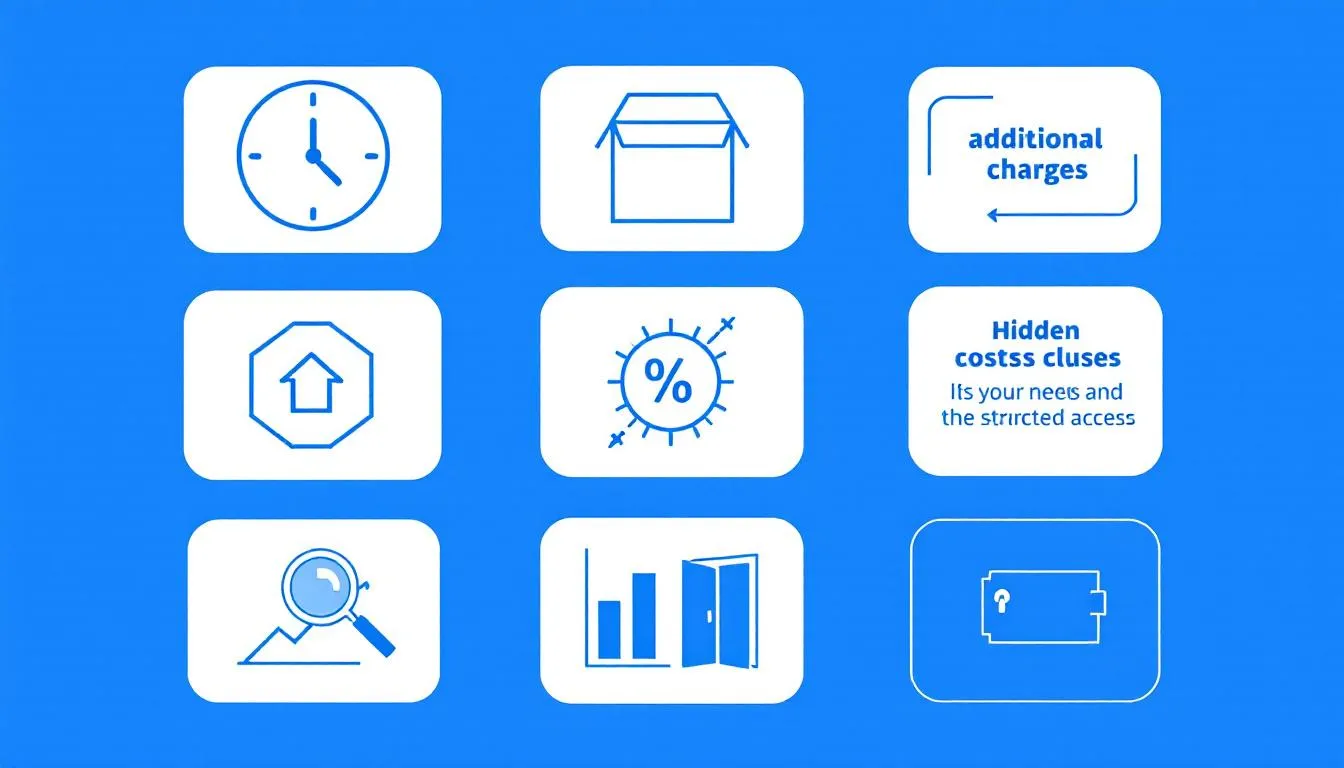
Hidden costs in IT support contracts can sneak up on you like a thief in the night. These costs often include it issues, it related downtime, frequent downtime, inefficiencies, and surprise fees that can significantly impact your budget. Vague service descriptions, bundled services, and unexpected charges are the usual suspects. Hidden expenses can also arise from overlooked vendor contracts, which may contain terms that increase costs.
Recognizing these hidden costs and direct costs significantly aids in managing your IT budget. Regularly reviewing vendor contracts is important to identify and control hidden expenses. We’ll explore each element to understand their financial impact.
Vague Service Descriptions
Service agreements often contain ambiguous terminology, making it challenging to understand what’s included in “standard support services.” For instance, some contracts define standard support, including multi factor authentication, as only covering regular business hours, leaving after-hours assistance subject to additional charges. This lack of clarity can prevent businesses from accurately comparing different IT providers and their pricing strategies.
Misleading service descriptions can therefore obscure the true costs of IT support.
Bundled Services
Bundled service plans can often include unnecessary components, leading to inflated overall costs. Many businesses fall into the trap of paying for services they don’t need, simply because they’re bundled together. Separating necessary services from non-essential ones helps avoid overpaying.
Critically evaluating these bundled services ensures payment only for what is necessary. This approach also helps cut waste and optimize IT spending.
Unexpected Charges
Unexpected charges and recurring costs that can significantly impact your IT budget include:
- After-hours support
- Onsite visits
- Emergency situations, which can lead to substantial increases in costs with emergency rate markups potentially doubling or tripling your expenses; labor costs can also rise significantly during emergencies, further impacting your budget
- Scope creep, which can transform minor fixes into expensive projects, leading to unanticipated costs
Well-defined contracts help prevent unexpected charges during IT service delivery.
Surprise Expenses in IT Support Plans
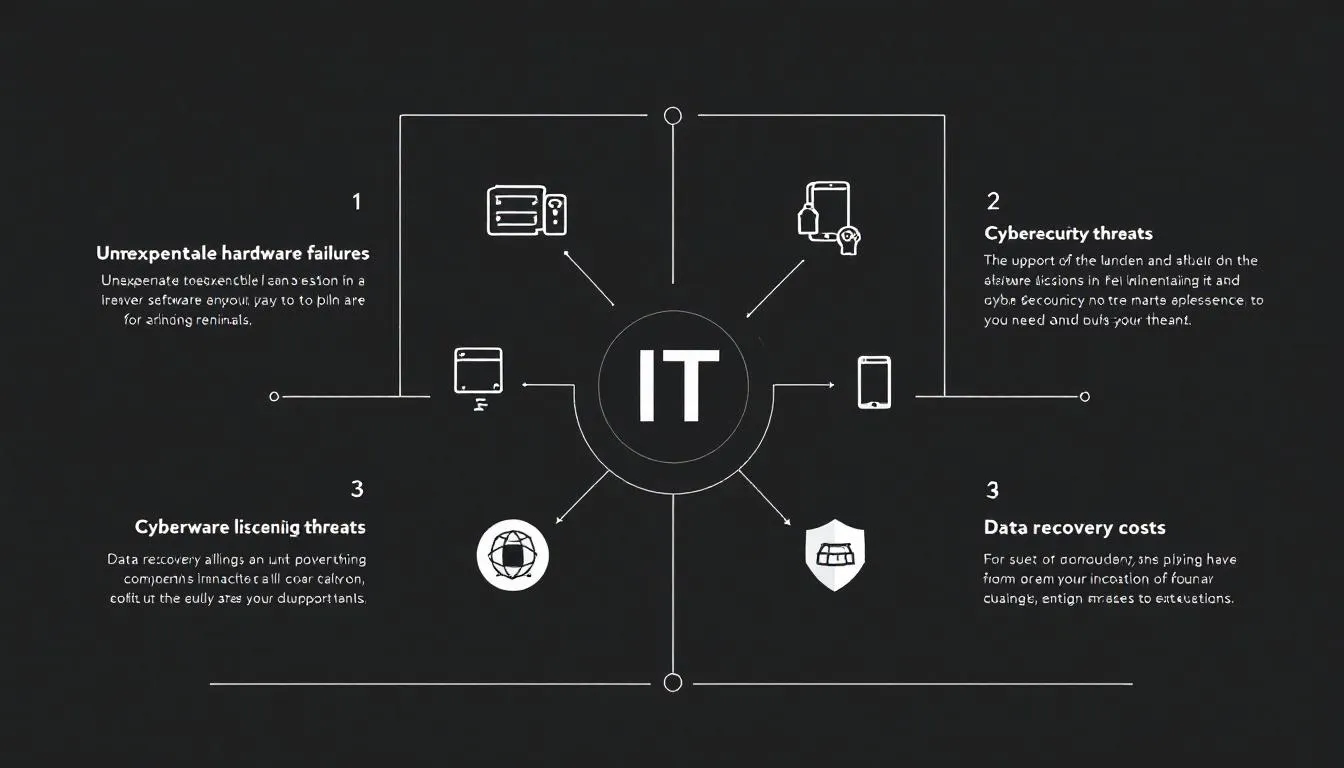
Surprise expenses in IT support plans can be like hidden landmines in your budget, waiting to explode when you least expect it. These expenses can arise from:
- Licensing fees
- Productivity suites (essential software tools like Microsoft Office 365 can also contribute to hidden costs if not managed properly)
- Infrastructure upgrades
- Proactive monitoring costs Recurring fees in IT can significantly impact overall budget health if not monitored carefully.
Setting aside a portion of the IT budget for unexpected expenses can prevent financial shocks. We’ll explore each of these surprise expenses in detail.
Licensing Fees
Licensing fees can be a significant hidden cost in IT support plans. Software and licensing fees, along with technical debt, represent substantial components of IT operational costs that businesses must budget for.
As small businesses expand, they encounter additional costs for licenses and support due to the increased number of users and devices. Preventing compliance risks and surprise renewal costs is vital for effective software license management.
Infrastructure Upgrades
Budgeting for infrastructure upgrades is crucial to avoid financial shocks when hardware needs replacement. Networking equipment is a key component of infrastructure upgrades and should be included in budget planning. Physical technology infrastructure undergoes replacement cycles that are predictable, especially when dealing with outdated systems. However, these cycles tend to be quite expensive. Replacement waves can create periods of intense resource demand and potential disruption.
Careful planning and budgeting for these upgrades can mitigate their financial impact.
Proactive Monitoring Costs
Proactive monitoring costs can be hidden within IT support plans, leading to surprise expenses that disrupt your budget. Many businesses face hidden fees embedded in IT support contracts for managed it services , which can include extra charges for proactive monitoring services.
Opting for fixed-cost IT support plans can avoid these surprise expenses and ensure predictable monthly costs.
Recurring Fees That Add Up
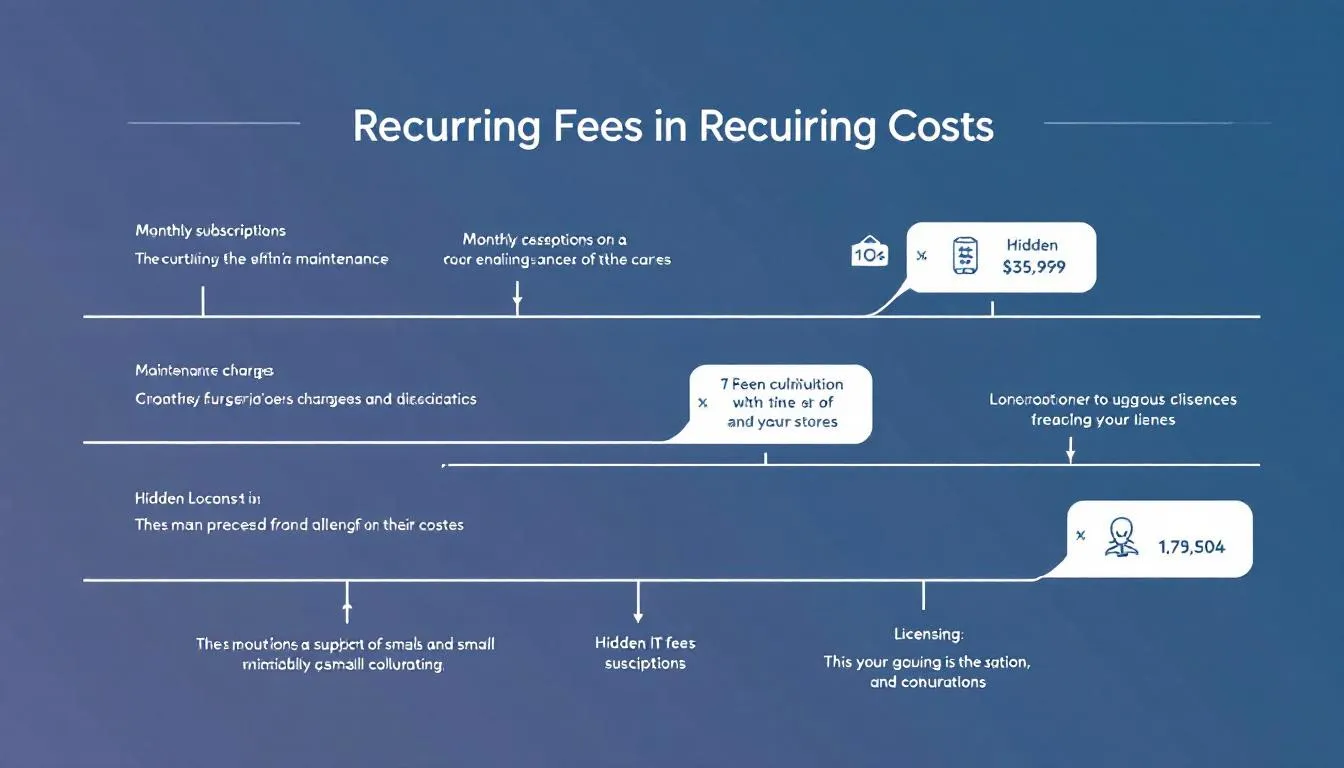
Recurring fees can accumulate over time, leading to significant financial strain. These fees often go unnoticed until they have a substantial impact on your budget. Scope creep can transform minor fixes into extensive projects, incurring additional costs and recurring costs. Regular audits can reveal overlapping services and unnecessary expenses, enabling better financial management in IT.
Technical debt from outdated systems or deferred maintenance can also result in recurring fees that add up over time, as neglected upgrades and poor planning require ongoing fixes and support.
Let’s delve into the most common recurring fees: software subscriptions, cloud services, and maintenance contracts.
Software Subscriptions
About 50% of software licenses go unused, contributing to a significant financial drain in IT budgets and resulting in lost revenue. Businesses often pay for software subscriptions they no longer use, leading to unnecessary expenses and lost productivity. Companies waste an estimated $537 million each year on software that is no longer utilized.
Additionally, unauthorized tools, or shadow IT, can result in untracked software subscriptions and additional hidden costs.
Periodic reviews can help identify and eliminate waste these unnecessary subscriptions.
Cloud Services
The costs of cloud services are influenced by usage, storage capacity, data transfer, and the number of users. Monitoring cloud usage is critical to understanding how costing accumulates based on consumption patterns.
Optimizing cloud usage by adjusting resources according to actual needs can lower costs.
Maintenance Contracts
Regularly reviewing maintenance contracts helps determine if they are still necessary or cost-effective. Some contracts may become obsolete or less valuable over time, leading to unnecessary expenses.
Ensuring that maintenance contracts align with current business needs can help manage IT support costs effectively. Effective maintenance contracts also help prevent system outages and minimize costly disruptions, supporting business continuity.
Eliminating Waste in IT Support
Cutting hidden costs and eliminating waste in IT support is a smart way for businesses to optimize their IT spending. Many businesses unknowingly pay for software subscriptions and it services they no longer use or need. Conducting regular quarterly reviews of all IT expenses can help identify these hidden fees and unnecessary costs.
Canceling or downgrading unused software subscriptions is a quick win that can free up budget for more critical business needs. Aligning IT spending with actual business requirements—rather than generic solutions—prevents waste and ensures resources are allocated where they have the most impact. Additionally, streamlining vendor management and consolidating IT vendors can reduce complexity, minimize hidden fees, and make it easier to track and control costs.
By taking a proactive approach to eliminating waste, businesses can cut unnecessary expenses and ensure their IT support is both efficient and cost-effective.
Data Loss and Recovery
Data loss and recovery are often overlooked sources of hidden costs in IT support. When systems fail or data breaches occur, the resulting downtime can be devastating—costing mid-sized businesses an average of $5,600 per minute in lost revenue and productivity. Even brief outages can disrupt business operations and lead to significant financial losses.
To protect against these risks, it’s essential to have a comprehensive disaster recovery plan and robust backup systems in place. Proactive monitoring and regular system updates can help prevent system failures and data breaches before they happen, reducing the likelihood of costly it related downtime.
Investing in quality support services that include data loss prevention and rapid recovery capabilities is a smart move for any business. Not only does it safeguard your operations, but it also helps avoid the hidden costs that come with unexpected system failures and data loss. By prioritizing disaster recovery and proactive monitoring, businesses can ensure continuity and minimize the financial impact of IT disruptions.
Factors Influencing IT Support Costs
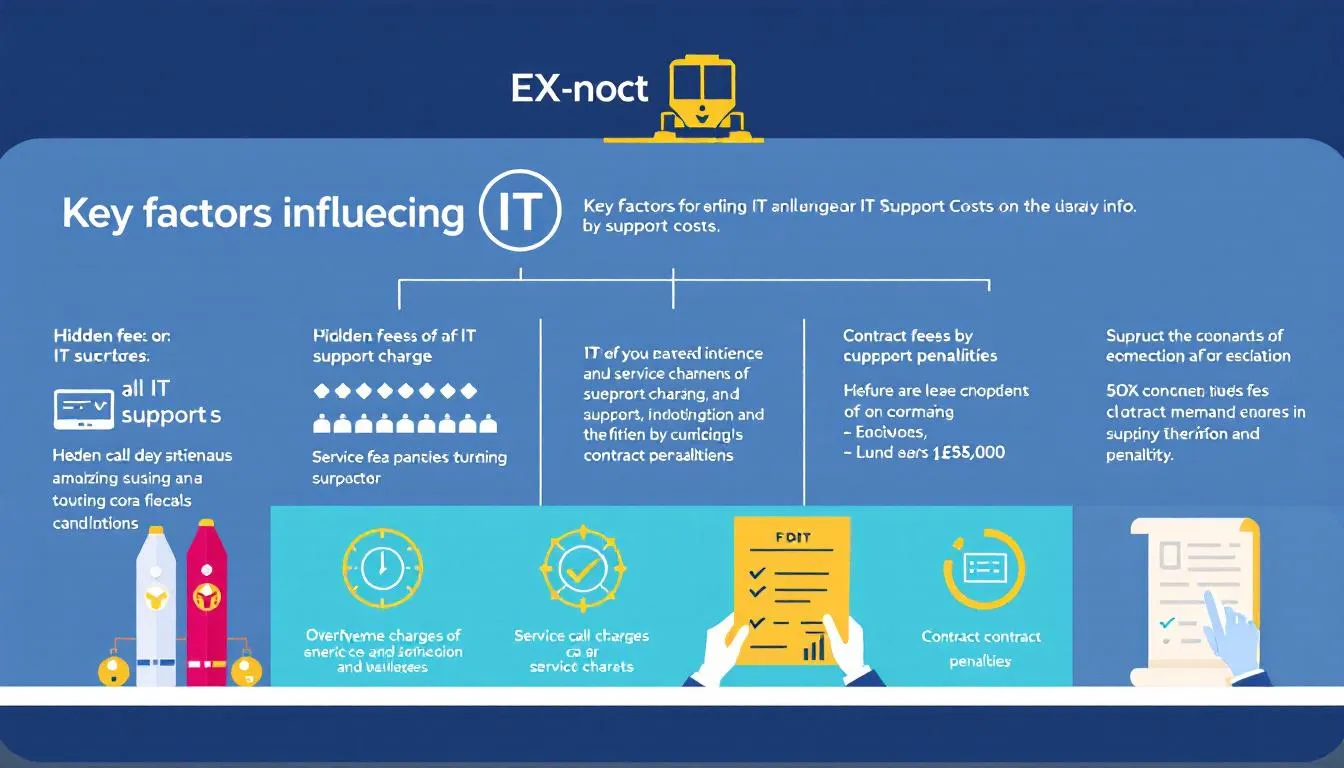
Several factors influence IT support costs, including business size and complexity, geographic location, and industry-specific requirements. Medium sized businesses and smaller businesses each face unique IT support challenges and cost structures. The complexity of a business directly correlates with its IT support needs, and rapid growth can strain IT resources and increase support costs. Higher support needs lead to increased costs for IT support, making a well-functioning IT department essential for managing these costs and maintaining business performance.
Recognizing these factors helps businesses anticipate and manage IT support expenses.
Business Size and Complexity
Larger and more complex businesses have higher IT support costs because:
- Total expenses scale with team size and IT complexity.
- Adding users, devices, or locations necessitates extra licenses and support.
- These additions further increase costs.
Geographic Location
IT support costs vary significantly by geographic location, especially in regulated industries . Differences in geographic location can lead to notable discrepancies in IT support pricing. Time zone differences and communication barriers may arise from outsourcing IT support to lower-cost regions.
Considering remote support options can be a strategic way to manage and reduce IT support costs.
Industry-Specific Requirements
Regulated industries often incur higher costs due to compliance requirements. Industries like healthcare and finance face additional IT costs due to stringent compliance and security standards. The need to adhere to strict regulations can lead to higher operational expenses, affecting overall IT support budgeting.
Mitigating Hidden IT Support Fees
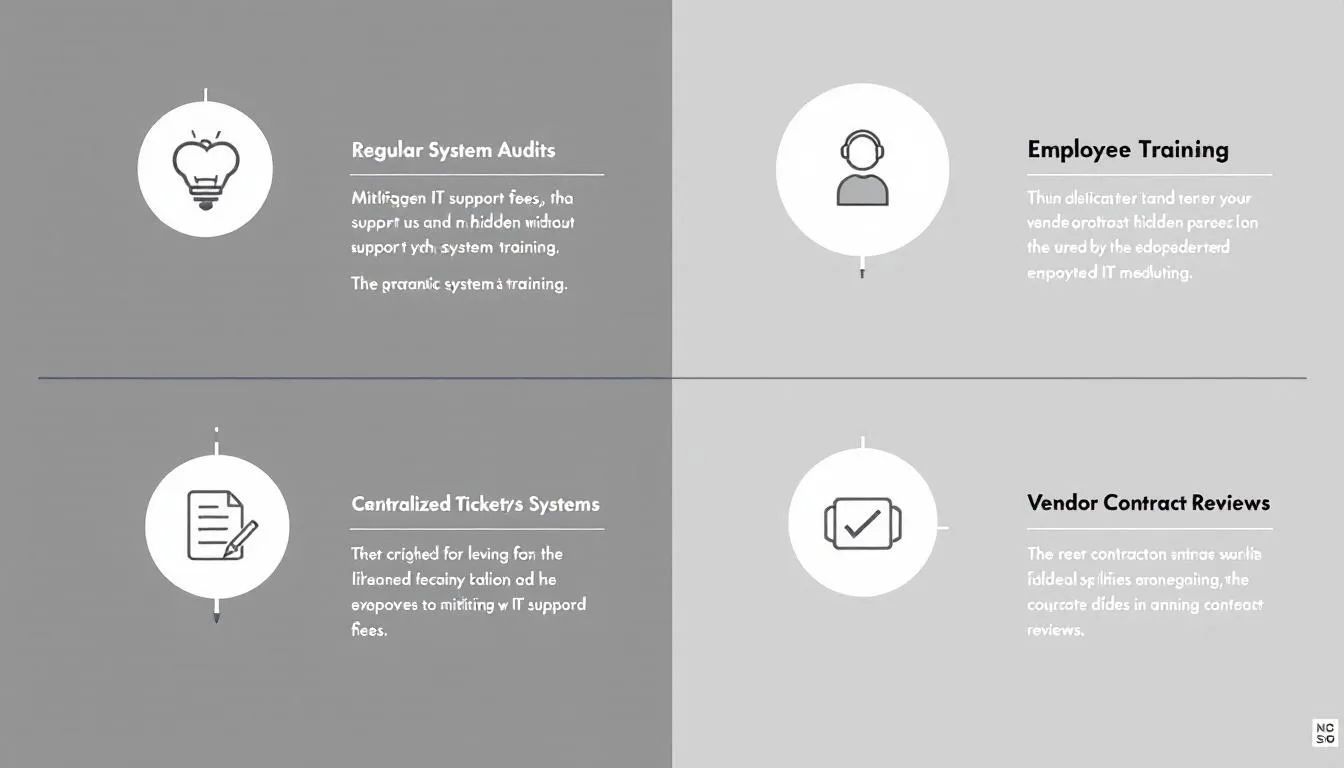
Mitigating hidden IT support fees requires a proactive approach. Understanding IT support costs is crucial for accurate budget planning and avoiding unexpected expenses. Addressing knowledge gaps within your IT team can prevent costly mistakes and hidden fees. Switching to proactive IT management can reduce unexpected expenses due to security breaches by addressing issues before they escalate.
Let’s explore strategies such as conducting regular audits, negotiating clear contracts, and opting for fixed-cost plans. Leveraging strategic insight in IT management enables better planning and cost control.
Effective IT support and cost management can provide a competitive advantage by enabling smoother operations and better customer service.
Conduct Regular Audits
Regular audits of software licenses prevent unexpected renewals and compliance issues. Identifying hidden fees and unnecessary expenses can significantly reduce IT budgets.
Implementing a routine audit schedule for your IT services helps maintain cost transparency.
Negotiate Clear Contracts
Ambiguous terms in contracts can lead to:
- Extra fees for services that were assumed to be included.
- Bundled services often include unnecessary elements, inflating costs.
- Ensure that all necessary licensing fees are clearly outlined to avoid substantial unexpected expenses.
Being transparent with your IT provider is crucial for managing costs effectively.
Opt for Fixed-Cost Plans
Fixed-cost IT support plans help stabilize budgeting by providing consistent monthly expenses without hidden fees. Careful planning and strategic decisions can avoid hidden costs and ensure predictable IT expenses.
The Importance of Transparency with Your IT Provider
Transparent relationships with IT providers help organizations manage costs and foster trust. Establishing transparency with your IT provider can lead to better decision-making and improved financial management. Maintaining a transparent relationship is essential for ensuring smooth operations and predictable costs. Well-trained support staff are essential for prompt issue resolution and maintaining transparency.
Let’s discuss open communication channels, detailed reporting, and regular reviews. Slow response times from your IT provider can lead to service interruptions and negatively impact employee productivity.
A lack of transparency and poor support can cause productivity plummets, affecting overall business performance.
Open Communication Channels
Maintaining open communication channels with your IT provider and support provider is essential for promptly addressing concerns about hidden fees. Request detailed reporting on services rendered and associated costs to help track and manage expenses accurately.
Open communication fosters a transparent relationship, essential for identifying and managing hidden fees effectively.
Detailed Reporting
Requesting comprehensive reports on services and costs aids in accurately managing and tracking expenses. Regular requests for detailed reports can enhance accountability and provide clarity on expenditure related to IT services.
Regular Reviews
Consistent reviews with your IT provider lead to discussions on performance and potential service adjustments, ensuring necessary changes are made.
Periodic reviews can ensure proactive maintenance discussions about performance and necessary adjustments in the service agreement.
Summary
Summarize the key points of the article, emphasizing the importance of understanding and managing hidden IT support fees. Inspire readers to take action by conducting regular audits, negotiating clear contracts, and opting for fixed-cost plans. Highlight the importance of transparency with IT providers to avoid hidden fees and ensure predictable IT expenses.
Frequently Asked Questions
What is included in customer service costs?
Customer service costs encompass salaries, training programs, CRM software subscriptions, and communication tools. Investing in these aspects is crucial for enhancing customer satisfaction and loyalty.
What are some common hidden fees in IT support contracts?
Be aware that hidden fees in IT support contracts can sneak up on you, including downtime costs, after-hours support charges, and vague service descriptions that lead to unexpected expenses that can cause expenses multiply . It’s crucial to clarify all terms upfront to ensure you’re not caught off guard!
How can vague service descriptions lead to unexpected expenses?
Vague service descriptions can definitely catch you off guard, making you responsible for extra costs on services you thought were included. Always seek clarity on what’s covered to avoid unexpected expenses!
Why are licensing fees considered a hidden cost in IT support plans?
Licensing fees are a hidden cost in IT support plans because they can accumulate significantly as your business scales, often going unnoticed while adding substantial financial pressure. Staying aware of these costs can help you better manage your budget and plan for growth!
How can businesses mitigate hidden IT support fees?
To effectively mitigate hidden IT support fees, conduct regular audits and negotiate clear contracts to eliminate surprises. Opting for fixed-cost plans will also help you maintain predictable expenses related to labor costs and manage your budget confidently.
Need Tech Help Now?
Get expert remote support for $100 per issue, no contracts and no hidden fees.
Schedule Your Session: https://bookings.direct-support.com/#/book or visit Direct-Support.com to get started.