
Network server management for SMBs doesn’t have to be complicated or costly; in fact, network server management for SMBs why flat fee simplifies growth by making IT expenses predictable. Flat rate pricing offers a fixed monthly fee, giving SMBs predictable IT costs and simplifying budgeting. This allows you to focus on growth without financial surprises, as businesses pay predictable fe . This article explains how flat fee pricing enhances efficiency, supports strategic initiatives, and helps SMBs scale seamlessly.
Key Takeaways
- Network server management is essential for SMBs, enhancing operational efficiency, cybersecurity, and customer satisfaction through managed IT services.
- Flat fee pricing for IT services offers predictable costs, simplifying budgeting and avoiding unexpected expenses, which is crucial for the financial stability of small business owners.
- Choosing the right managed service provider is vital for aligning IT services with business goals, ensuring effective support and transparent service agreements.
The Importance of Network Server Management for SMBs

Network server management is the backbone of efficient IT operations for small and medium-sized businesses. A medium sized business can benefit from network server management by gaining access to advanced tools, improved cybersecurity, and streamlined infrastructure management, which enhance efficiency and support business continuity. It minimizes manual oversight, allowing IT departments to focus on strategic initiatives and enabling them to focus on core business rather than mundane tasks. Partnering with managed service providers gives SMBs access to an extended tech department, enhancing efficiency and operational effectiveness.
A managed services provider offers robust support structures, advanced cybersecurity, and cost control for SMBs. These services help build and maintain IT infrastructure, managing servers, networks, and devices effectively. Access to advanced technology through managed services, including advanced security measures, provides long-term value, enabling small businesses to stay competitive and operationally sound.
The benefits extend beyond mere operational efficiency. Managed IT services help:
- Avoid disruptions in business operations, ensuring smooth day-to-day functions.
- Provide 24/7 tech support, allowing SMBs to minimize adverse impacts on operations and maintain high levels of customer satisfaction.
- Enhance security.
- Speed up operations.
- Bolster the company’s reputation, leading to significant business benefits.
Common IT Challenges for SMBs
Small and medium-sized businesses (SMBs) encounter a range of IT challenges that can disrupt business operations and hinder growth. Cybersecurity threats, unreliable data backup, and the complexities of managing IT infrastructure are just a few of the hurdles that can impact daily productivity and long-term success. Many SMBs lack the in-house expertise or resources to address these issues effectively, making them more susceptible to security breaches and costly downtime.
Managed IT services offer a solution by providing proactive monitoring, robust security measures, and comprehensive support tailored to the unique needs of SMBs. By partnering with a managed service provider, businesses gain access to a team of experts who can oversee their IT environment, implement advanced network security, and ensure reliable data backup. This allows business owners and their teams to focus on core business activities and strategic objectives, rather than being bogged down by technical issues.
With a managed service provider handling IT infrastructure and network security, SMBs can minimize risks, maintain business continuity, and align their technology with their business objectives. This partnership not only strengthens day-to-day business operations but also supports long-term growth and resilience in an increasingly digital world.
Small Business IT Needs in 2025
As we move into 2025, small businesses will face an even greater need for scalable, secure, and customized IT solutions. The growing reliance on digital tools and cloud-based platforms means that effective IT infrastructure management is more critical than ever. Small businesses must prioritize cybersecurity, data backup, and infrastructure management to protect their business operations and maintain a strong reputation in the marketplace.
Managed IT services will be essential for small businesses looking to stay ahead of evolving threats and technological advancements. Service providers will offer flexible pricing models, such as flat fee and tiered pricing, to accommodate the diverse needs and budgets of small businesses. These models ensure that businesses can access advanced security measures, manage mobile devices, and benefit from remote monitoring without worrying about unpredictable costs.
By leveraging managed IT services, small businesses can focus on growth and innovation, knowing their IT environment is secure and scalable. Whether it’s supporting remote workforces, implementing advanced security protocols, or ensuring reliable data backup, managed service providers will play a pivotal role in helping small businesses achieve their goals and remain competitive in 2025 and beyond.
Understanding Flat Fee Pricing for Network Server Management
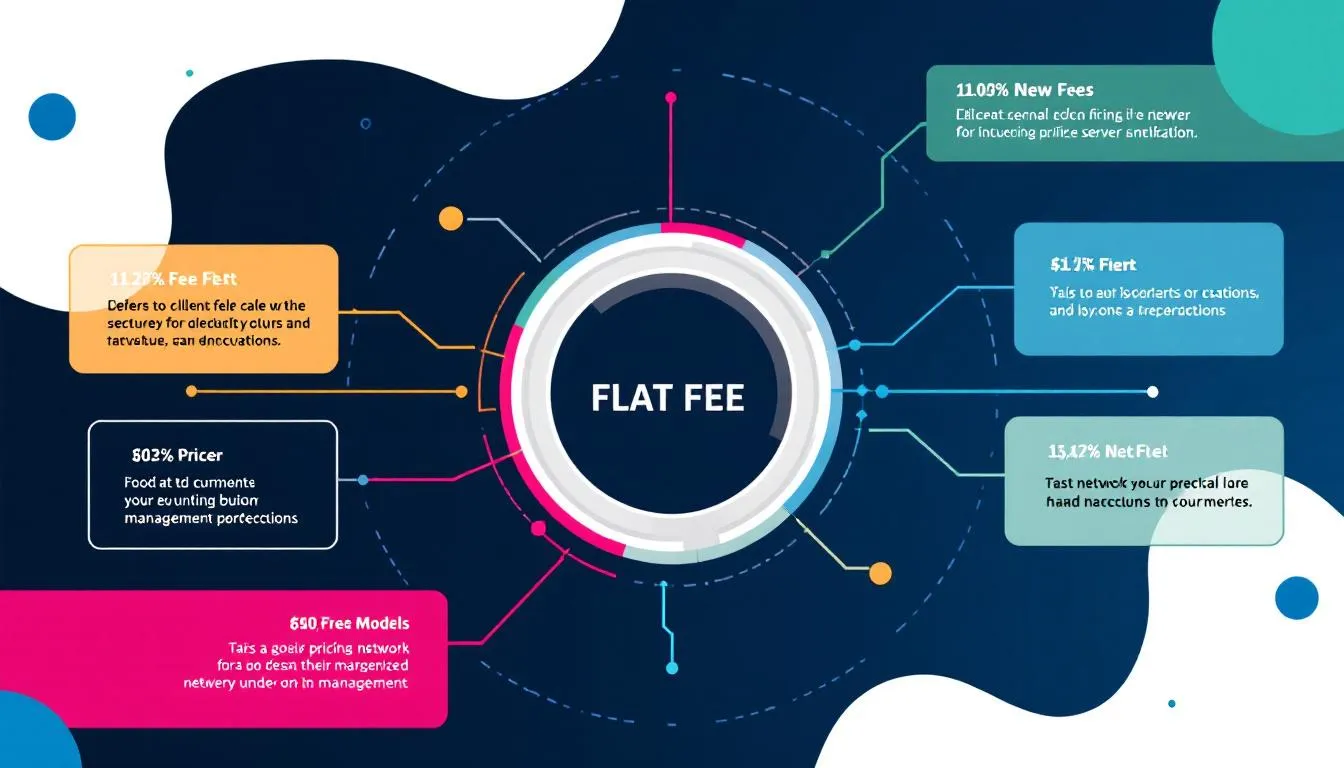
Flat fee pricing in IT services involves a fixed monthly fee covering a wide range of managed IT services. This pricing model allows businesses to manage their IT expenditures effectively, making it easier to plan budgets and align them with business goals. The predictability of costs, including it services cost, is one of the core benefits, as it eliminates the variability that often comes with traditional IT service models.
By opting for flat fee pricing, businesses can enjoy comprehensive IT support without the worry of unexpected expenses. This model includes proactive support and maintenance, enhancing service reliability and ensuring that IT systems are always running optimally for small businesses.
Alternative approaches include the per user pricing model, where costs are based on the number of users needing support, making it scalable for growing companies. Another option is the la carte pricing model, which allows businesses to select and pay only for the specific IT services they require, offering flexibility and cost efficiency.
Understanding these per device pricing model services pricing models managed is crucial for SMBs to prevent spiraling costs and make informed decisions about the right pricing model, as the features included in managed IT service plans can significantly affect pricing for SMBs.
Simplifying Budgeting and Financial Planning
One of the most significant advantages of flat fee pricing is the predictability it offers. Businesses can anticipate their IT expenses each month without sudden fluctuations, making stable financial planning a reality. This predictability is especially beneficial for SMBs, allowing them to focus on their core business which often operate on tighter budgets and cannot afford unexpected IT expenses. Additionally, flat rate pricing can enhance budgeting accuracy.
A subscription-based model enables SMBs to incorporate IT expenses into their overall budget seamlessly. By providing straightforward and predictable costs, flat fee pricing aligns with the company’s size and financial capabilities, ensuring that IT expenditures do not disrupt other business goals. This cost efficiency is essential for effective budgeting and financial planning.
Avoiding Unexpected Costs
Unexpected IT costs can be a significant burden for SMBs. Flat fee pricing mitigates this risk by providing predictable costs, ensuring there are no surprises at the end of the month. This model typically includes a variety of features, such as ongoing monitoring and maintenance, which reduces the likelihood of incurring hidden fees.
Outsourcing IT services under a flat fee model can also be more cost-effective compared to maintaining an in-house team. Onsite IT support, for instance, often incurs additional costs due to travel and time spent on-site. Opting for flat fee pricing helps businesses avoid additional costs and ensures cost efficiency.
Comprehensive Support with Fixed Monthly Fees
A fixed monthly fee under the flat-rate model encompasses a wide range of IT services, ensuring that businesses do not face extra charges for basic support. This comprehensive support includes proactive monitoring, maintenance, and security measures, providing a robust IT infrastructure without the worry of additional costs.
Understanding all the services included in a service model flat fee model helps businesses avoid unexpected expenses and ensures they receive the necessary support costs to keep their operations running smoothly.
Offering tailored solutions and technical support, flat fee pricing gives SMBs peace of mind that their IT needs are fully covered.
Enhancing Business Growth Through Flat Fee Pricing

Flat fee pricing is not just about cost predictability; it also supports business growth by allowing efficient resource allocation, reducing downtime, and offering scalability. Managed service providers help SMBs save costs while offering improved security, flexibility, and scalability through flat fee pricing.
Outsourcing complex IT tasks allows SMBs to concentrate their efforts on core competencies and growth initiatives. This approach empowers businesses to focus on their core operations and core business activities without the distraction of IT issues, leading to better business performance and business outcomes.
Allocating Resources Efficiently
Flat-rate monthly contracts provide a predictable cost structure that can cover a wide range of IT services. This predictability enables SMBs to allocate resources more efficiently towards business development activities, rather than unexpected IT expenses.
With comprehensive service coverage under a flat fee model, SMBs can focus their investments on growth and development initiatives. This cost efficiency is crucial for smaller businesses aiming to expand without the financial burden of unforeseen IT costs.
Reducing Downtime and Improving Productivity
Proper network management ensures business continuity by proactively addressing potential downtimes and increasing productivity. Managed IT services minimize downtime through proactive monitoring, which helps maintain workforce productivity and customer satisfaction.
Reliable data backup solutions enable quick recovery after incidents, minimizing downtime and maintaining business continuity. The combination of proactive monitoring and robust data backup solutions significantly boosts overall productivity by preventing disruptions.
Scalability and Flexibility
Predictable IT expenses help businesses better allocate resources towards growth initiatives. Flat fee models enable small businesses to scale their IT infrastructure seamlessly as they grow, providing the flexibility needed to adapt to changing business needs.
This scalability and flexibility offer a competitive advantage, allowing SMBs to expand their operations without the constraints of fluctuating IT costs. Flat fee pricing ensures that IT systems can grow in tandem with the business by providing tailored solutions and scalable solutions.
Key Features of Effective Network Server Management

Effective network server management encompasses:
- IT support
- Infrastructure management
- Cybersecurity solutions
- Backup services
These services offer a comprehensive approach to maintaining and securing IT infrastructure and technology infrastructure in a security solutions it environment. They help SMBs streamline operations while ensuring their IT systems are well-maintained and secure.
The key features of effective network monitoring server management include proactive monitoring and maintenance, robust security measures, and reliable data backup and disaster recovery solutions. These elements collectively enhance efficiency and support business growth.
Proactive Monitoring and Maintenance
Continuous monitoring is essential as it detects issues early, helping to maintain productivity and disrupt business operations. A reactive management approach can lead to frequent disruptions and higher costs due to downtime, impacting business efficiency.
Regular updates and performance optimization are crucial for maintaining operational integrity and addressing potential issues before they escalate. Proactive maintenance enables small businesses to avoid the pitfalls of costly downtime, which can cost between $82,200 to $256,000 for a single event.
Utilizing managed service providers allows businesses to focus on core activities while ensuring their IT tasks are well managed, enhancing overall efficiency. Automated alert systems are vital to continuous monitoring, enabling quick identification and resolution of technical issues in real-time.
Robust Security Measures
Nearly half of all cyberattacks target small and midsize businesses, highlighting the critical need for robust security measures. Cybersecurity is paramount for small businesses as they face potential devastating impacts, including data loss and damage to trust.
A comprehensive network security strategy entails real-time threat monitoring and multiple layers of protection against cyberattacks. Effective network server management enables centralized data storage and controlled access, which enhances enhanced security and user authentication.
Data Backup and Disaster Recovery
Cloud-based services offer cloud services:
- Flexibility
- Scalability
- Cost savings
- Remote monitoring
- Remote access
These features make them an excellent option for small businesses seeking reliable data backup solutions. Flexible service models enable small businesses to easily scale their IT support, which is vital for effective disaster recovery strategies.
Reliable data backup solutions are critical for maintaining business continuity, ensuring that essential data is preserved even in disruptive events. The combination of reliable backup and adaptable recovery plans enhances overall business operations and resilience against disruptions.
Comparing Flat Fee and Tiered Pricing Models
When selecting managed IT services, small businesses often choose between flat fee and tiered pricing models. The flat fee model offers a fixed monthly fee for a comprehensive suite of IT services, making it easy for businesses to predict costs and manage their budgets. This approach is ideal for small businesses with straightforward IT needs, as it provides consistent support and eliminates the worry of unexpected expenses.
In contrast, the tiered pricing model offers multiple service levels at different price points, allowing businesses to select the package that best matches their requirements and budget. This model is particularly beneficial for small businesses with more complex IT environments or those anticipating growth, as it provides scalable solutions that can adapt as needs change.
Both pricing models have their advantages. Flat fee pricing delivers predictable costs and simplified budgeting, while tiered pricing offers flexibility and customization. The right pricing model depends on the specific needs, business goals, and growth plans of each small business. Managed service providers can help guide business owners through the decision-making process, ensuring they choose the model that best supports their core business activities and long-term objectives.
Choosing the Right Managed Service Provider
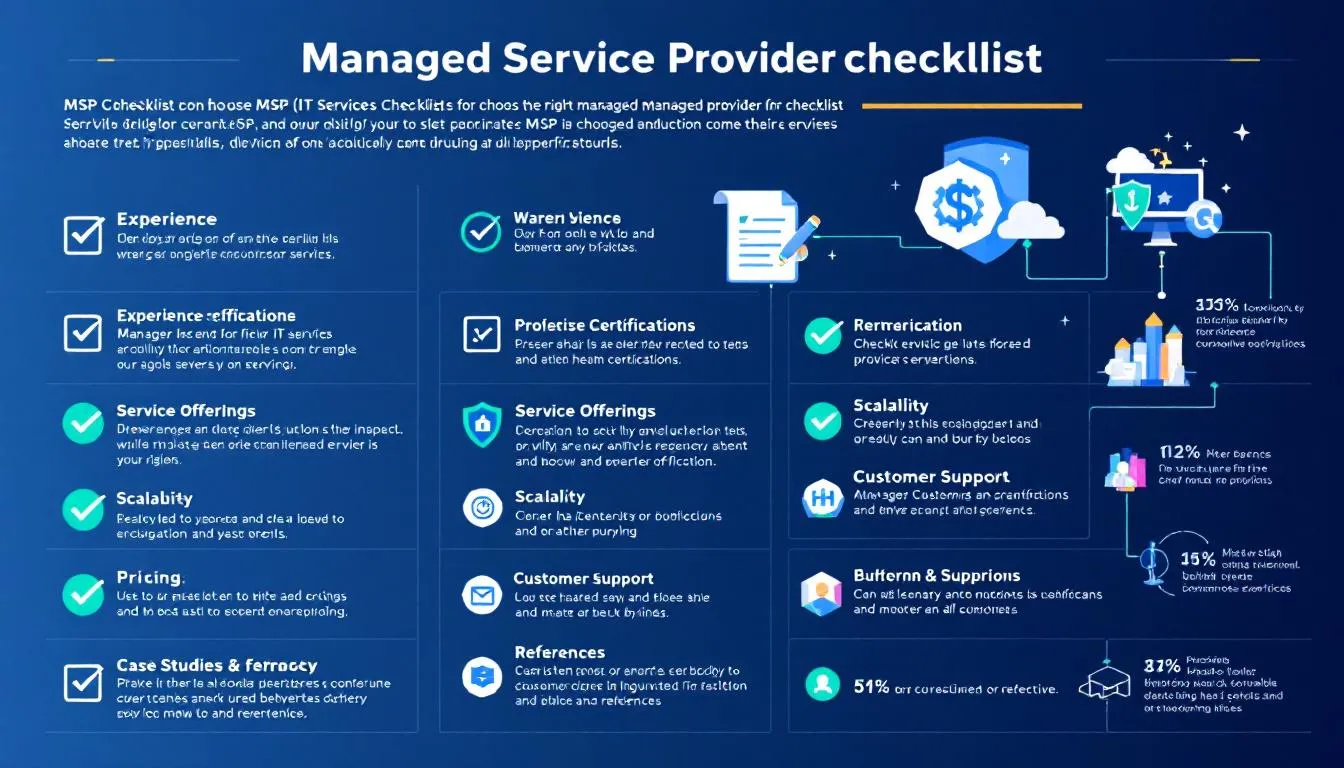
Selecting the right managed service provider (MSP) is crucial for aligning IT strategies with business objectives and ensuring appropriate support. Businesses should:
- Evaluate their specific IT needs
- Assess infrastructure complexity
- Determine required support levels
- Consider potential costs
Comparing multiple managed services providers highlights their strategic role in supporting small businesses through IT solutions, helping you identify the best fit for your business’s requirements.
Assessing the breadth of services, expertise, and customer service of the MSP will help ensure a smooth partnership. Typical services provided by MSPs include network management, cybersecurity measures, and cloud support services.
Choosing the right managed service provider can transform IT challenges into opportunities for growth and efficiency.
Evaluating Service Quality and Expertise
Top MSPs excel in customizing specialized services to meet specific IT services client needs, offering tailored solutions that align with business goals. Proactive monitoring of systems helps managed service providers avoid costly IT issues, ensuring smooth service delivery and operational efficiency.
A high customer satisfaction rating, such as Network 1 Consulting’s 98.43%, indicates a high level of client trust and reliability. Evaluating the service quality and expertise of the MSP ensures that they can meet your specific IT needs and provide the necessary support to enhance your business operations.
Transparency in Service Agreements
A clear service agreement with an MSP outlines essential details, helping avoid misunderstandings and ensuring transparency in service delivery. Managed IT services often come with common hidden fees. These may include charges for adding users, special IT services, and premium support.
Service agreements should specify response times, inclusions and exclusions of services, and any additional fees. Successful partnerships with MSPs hinge on straightforward communication and openness, ensuring that both parties understand the terms of the service level agreements.
Customer Satisfaction and Reputation
A solid reputation and positive reviews are crucial indicators of an MSP’s reliability. Customer satisfaction plays a vital role in determining the effectiveness of a managed service provider (MSP) and ensuring that they meet your business needs.
Prospective clients often rely on positive customer reviews to gauge the quality of service from an MSP. Ultimately, a strong reputation leads to increased trust and confidence among potential clients seeking MSP services, which is essential for a successful partnership.
Summary
Network server management is indispensable for SMBs, providing the foundation for efficient IT operations and business growth. Managed IT services offer comprehensive support, advanced technology, and robust security measures, enabling small businesses to focus on their core activities. Flat fee pricing simplifies budgeting, avoids unexpected costs, and ensures comprehensive support, making it an ideal choice for SMBs.
By choosing the right managed service provider, businesses can align their IT strategies with business objectives, ensuring appropriate support and transforming IT challenges into growth opportunities. The key to success lies in evaluating service quality, ensuring transparency in service agreements, and considering customer satisfaction and reputation. Embrace flat fee pricing and effective network server management to propel your business towards sustained growth and success.
Frequently Asked Questions
What is flat fee pricing in network server management?
Flat fee pricing in network server management is a fixed monthly charge that encompasses various managed IT services, ensuring predictable expenses and extensive support without the uncertainties associated with traditional pricing models.
How does flat fee pricing benefit SMBs in financial planning?
Flat fee pricing benefits SMBs by providing predictable costs that allow for seamless integration into their budgets, facilitating stable financial planning. This clarity in expenses helps SMBs manage their finances more effectively.
Why is proactive monitoring important in network server management?
Proactive monitoring is essential in network server management as it allows for early detection of issues, which minimizes downtime and maintains productivity, ultimately enhancing operational efficiency.
What should SMBs look for when choosing a managed service provider?
When choosing a managed service provider, SMBs should prioritize service quality, expertise, and customer satisfaction, ensuring the provider can effectively meet their IT needs and support their growth.
How does effective network server management enhance business growth?
Effective network server management enhances business growth by ensuring efficient IT operations and minimizing disruptions, which allows organizations to focus on their core activities and scalable growth initiatives. This strategic approach not only boosts productivity but also strengthens overall security.
Need Tech Help Now?
Get expert remote support for $100 per issue, no contracts and no hidden fees.
Schedule Your Session: https://bookings.direct-support.com/#/book or visit Direct-Support.com to get started.